

Stem Cell Innovation Technology: A New Horizon in Future Therapy
- May 21
- 4 min read
Updated: May 22
Stem cell therapy is one of the most groundbreaking innovations in modern medicine. This technology has the potential to regenerate damaged tissues, treat intractable diseases, and dramatically improve the quality of life for both humans and companion animals. In this article, I will explain the latest trends in stem cell therapy, its excellence, and the importance of safety and reproducibility.
Stem cell therapy is more than just a treatment method—it represents the core of future medicine, built upon the value of respect for life. Readers will gain a deeper understanding of how stem cell therapy has evolved and where it is heading.
---
Current and Future Innovations in Stem Cell Therapy
Over the past decades, stem cell therapy has achieved remarkable progress. Initially, treatments focused on stem cells extracted from bone marrow. Today, however, stem cells derived from various tissues combined with gene-editing technologies have greatly expanded therapeutic applications.
In particular, induced pluripotent stem cell (iPSC) technology has emerged as a revolutionary approach. By reprogramming a patient’s own cells into stem cells, iPSCs minimize immune rejection. This innovation is now applied not only in regenerative medicine but also in treating neurological disorders, cardiovascular diseases, and rare intractable conditions.

Stem cell therapy is also rapidly spreading in the field of veterinary medicine. Treatments for arthritis, skin diseases, and tissue damage in companion animals are improving their quality of life significantly.
---
Excellence of Stem Cell Therapy
Stem cell therapy is highly valued not only for its therapeutic effects but also for its alignment with life-respecting principles and safety standards.
Stem cells possess exceptional regenerative capacity and pluripotency, enabling them to differentiate into various cell types. This makes possible the regeneration and functional recovery of tissues that were previously untreatable. For example, injecting stem cells into patients with myocardial infarction has been shown to regenerate damaged heart tissue and improve cardiac function.
Moreover, stem cells exhibit immune-modulating properties, making them effective in treating autoimmune diseases. Thus, stem cell therapy is establishing itself as an innovative treatment across multiple domains.
---
Lifespan of Stem Cells
The lifespan of stem cells varies depending on their type and environment. In the human body, stem cells can persist throughout life, dividing and differentiating as needed. However, stem cells cultured outside the body may have limited lifespans depending on environmental conditions.
iPSCs, under proper culture conditions, can divide hundreds of times, making them suitable for long-term research and therapy. Yet, risks such as cellular aging and mutations remain, driving ongoing research to minimize these issues.
Ultimately, the success of stem cell therapy depends not only on cell lifespan but also on how well the cells engraft and maintain function in the body. Careful monitoring before and after treatment is therefore essential.
---
Ensuring Safety and Reproducibility
For stem cell therapy to be widely adopted, safety and reproducibility must be guaranteed.
• Strict quality control: Stem cell sourcing and cultivation must follow GMP standards to prevent contamination, abnormal differentiation, or mutations.
• Standardized protocols: Injection methods, dosage, and treatment cycles must be clearly defined to ensure consistent outcomes.
• Long-term follow-up: Continuous monitoring of side effects and sustained efficacy is necessary to scientifically validate safety.
---

Clinical Applications
Stem cell therapy is already being applied in various clinical settings. For instance, stem cell injections for degenerative arthritis are entering commercialization, promoting cartilage regeneration, reducing pain, and improving joint function—offering a non-invasive alternative to surgery.
Research into neural regeneration is also advancing. Patients with spinal cord injuries or stroke aftereffects have shown functional recovery following stem cell transplantation, suggesting stem cell therapy could become central to future neurological treatments.
In veterinary medicine, stem cells are used to treat arthritis, skin conditions, and chronic inflammation, particularly improving the lives of aging pets.
---
Stem Cell Innovation and the Future of Life Sciences
Stem cell therapy is not just a treatment—it is a driving force of innovation in life sciences. Platforms such as Pharmametics combine genetic repair and tissue regeneration, aiming to fundamentally enhance the quality of life for both humans and animals.
Future stem cell therapies will become increasingly precise and personalized. With the integration of AI and big data analytics, treatments will be tailored to each patient’s genetic profile and disease state.
At the same time, research will continue to improve safety and reproducibility, ensuring that stem cell therapies remain trustworthy solutions aligned with the value of life.
Stem cell innovation is opening new horizons in medicine, and we can expect profound positive changes in the years ahead.
---
Global Expansion Strategy
Béauté Bénie, the flagship brand of the Korea Stem Cell Standard Medical Institute, has set ambitious global goals:
• European foothold: Establishing Amsterdam, Netherlands, as the gateway to Europe
• Asian market expansion: Strengthening presence across Asia to capture emerging demand
• Franchise growth: Securing 20 franchise locations across 12 countries by the end of 2030
• Revenue target: Achieving $4 million in sales by 2030
---
Genetic Pathways in Stem Cell Therapy
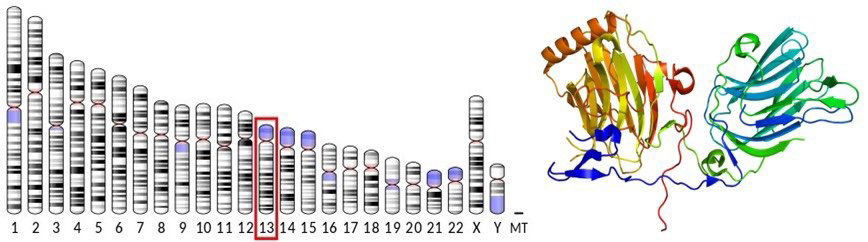
🧬 Chromosome 13 – GAS6 (Growth Arrest-Specific 6)
• Function: Acts as a ligand for AXL, transmitting growth, migration, and survival signals
• Mechanism: GAS6 binding triggers extracellular-to-intracellular signaling, promoting proliferation and differentiation
• Clinical relevance: Involved in angiogenesis, tissue repair, and cancer cell proliferation
🧬 Chromosome 19 – AXL (AXL Receptor Tyrosine Kinase)
• Function: Promotes cell proliferation and survival through mitosis and anti-apoptotic activity
• Mechanism: Activates AXL receptor, stimulating PI3K/AKT and MAPK signaling pathways
• Clinical relevance: Associated with stem cell proliferation, tissue regeneration, and anti-aging therapies

⚙️ Reciprocal Augmentation
• GAS6 (Chr 13) → Activates AXL (Chr 19) receptor
• AXL → Stimulates PI3K/AKT and MAPK pathways
• Result: Enhanced cell proliferation, survival, migration, and tissue regeneration through synergistic interaction

---


Comments